
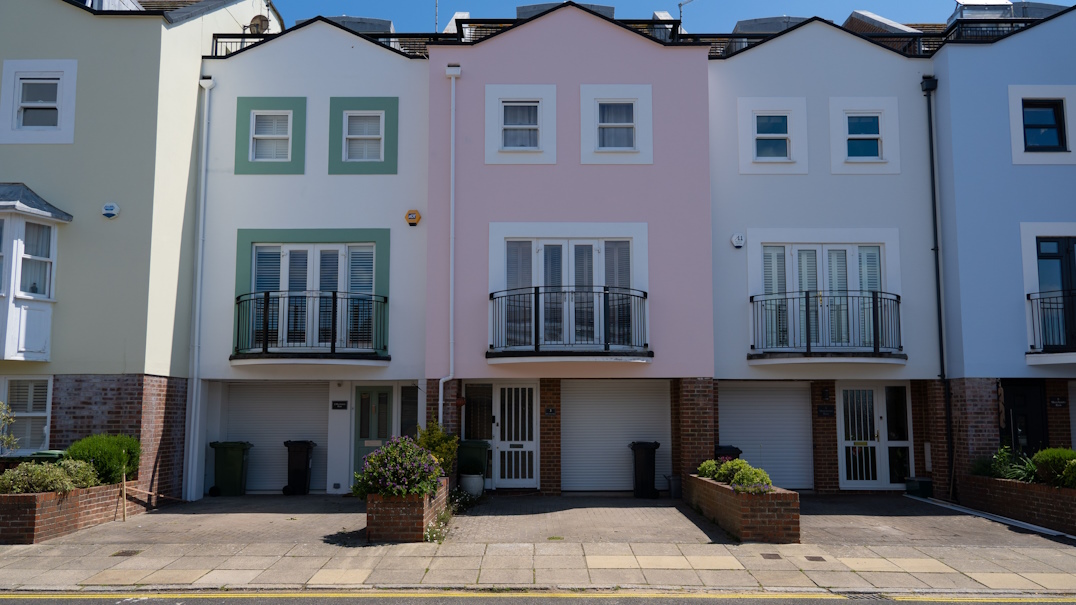
Acquiring residential property in Mayland constitutes a major financial commitment for the majority of buyers.
Knowing the different types of property surveys enables purchasers to safeguard their outlay effectively. RICS guidelines provide the authoritative structure for residential property assessments nationwide. Such regulation maintains uniformity quality and practical value across survey reports.

Connect with Chartered Surveyors for Home Buyer Surveys in Mayland
Home Buyer Survey Mayland requirement? If so, then please complete the contact form. One of the recommended Surveying Suppliers who provide RICS Home Surveys Mayland will give you a call, they have a strong reputation for competitive pricing and UK postcode coverage, so please do not hesitate to get in touch.
The RICS system currently recognises three main tiers of residential property survey. The levels differ according to inspection thoroughness report content and the nature of the building under review. The right level is determined largely by how old the house is how it was built its current condition and any unusual features. A chartered surveyor is well placed to recommend the correct level once the details of the property have been considered.
TO REQUEST A SURVEY QUOTE...
OUR RICS PREFERRED SUPPLIER's RATING is...
Survey Options Continued...
Level 1 known earlier as the Condition Report presents a concise picture of the property’s present condition. It targets mainly contemporary homes of ordinary construction that look to be in reasonable repair. Inspection remains visual focusing on reachable parts of the building and employs a colour-coded rating system. The report contains no guidance on remedial works or future upkeep and omits any valuation figure. The limited scope leads many to select a higher level unless the property is both new and conventional.
The popular Level 2 option earlier termed the HomeBuyer Report serves most buyers of typical houses and flats. Properties of regular build that remain in acceptable repair and possess straightforward layouts benefit most. The inspection covers all visible accessible elements and includes advice on defects their significance and future maintenance. Although the rating system mirrors that of Level 1 the written advice proves considerably more helpful. A valuation of the property and an insurance reinstatement sum are available as extras.
Level 3 formerly the Building Survey constitutes the most comprehensive form of residential inspection. Buyers of older unusual listed or substantially extended properties are generally steered toward this level. Inspection time is extended and the surveyor investigates more spaces including certain concealed locations when safe. An in-depth written analysis covers building fabric defects causation impact and available repair approaches. Because of its depth Level 3 offers the strongest protection for buyers facing higher levels of uncertainty or risk.