
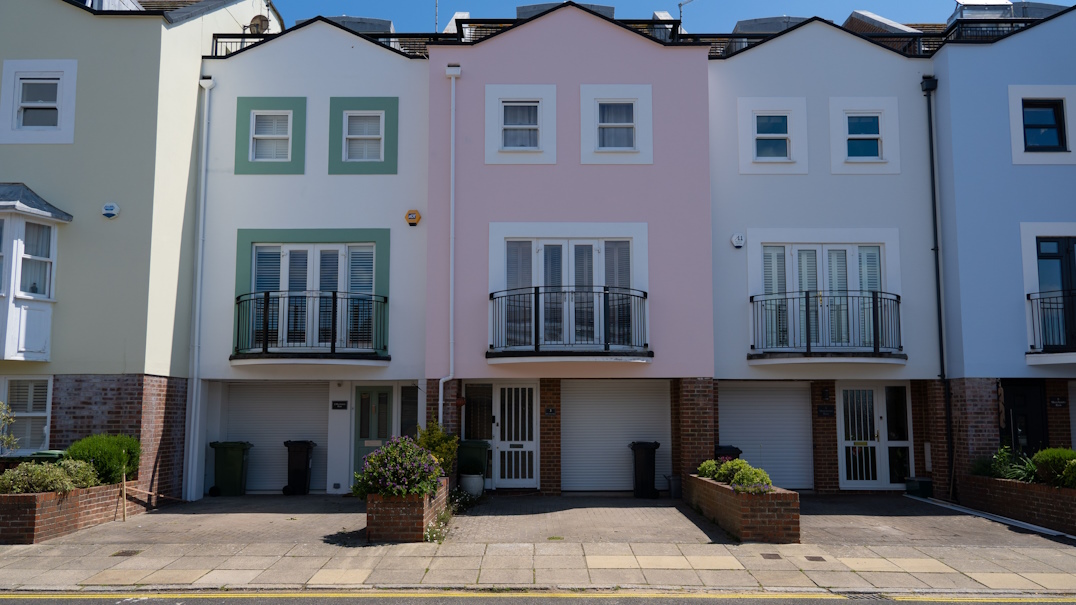
Purchasing a Midhurst home represents one of the largest investments an individual is likely to undertake.
Knowing the different types of property surveys enables purchasers to safeguard their outlay effectively. RICS guidelines provide the authoritative structure for residential property assessments nationwide. These standards ensure that reports remain consistent reliable and useful to clients.

Connect with Chartered Surveyors for Recommended Home Buyer Surveys in Midhurst
Home Buyer Survey Midhurst requirement? If so, then please complete the contact form. One of the recommended Surveying Suppliers who provide RICS Home Surveys UK Midhurst will give you a call, they have a strong reputation for competitive pricing and UK postcode coverage, so please do not hesitate to get in touch.
Three principal levels of home survey currently operate under the RICS Home Survey Standard. Each level varies in depth of inspection detail of reporting and suitability for different property types. Choice of survey is guided chiefly by the property’s age form of construction present state and overall intricacy. Professional guidance from a RICS member helps match the survey to the individual purchase.
TO REQUEST A SURVEY QUOTE...
OUR RICS PREFERRED SUPPLIER's RATING is...

Survey Options Continued...
Level 1 formerly known as the Condition Report provides a basic overview of a property’s condition. This level suits primarily modern standard homes that show no obvious signs of significant problems. Only visible and accessible elements are examined and findings are presented through green amber and red ratings. Neither repair recommendations nor a valuation form part of the Level 1 output. Consequently many buyers regard Level 1 as insufficient for anything other than the newest and simplest properties.
Level 2 previously the HomeBuyer Report remains the most frequently chosen option for conventional homes. It is designed for properties of standard construction that are in reasonable condition and relatively simple in layout. Visible and accessible components are assessed and the report offers commentary on defects priorities and maintenance needs. Condition ratings follow the same traffic-light system used at Level 1 yet the accompanying commentary is more useful. Optional elements include a professional valuation and a rebuilding cost for insurance.
Level 3 once called the Building Survey delivers the fullest analysis of a property’s condition and construction. Older dwellings listed structures non-standard builds and extensively modified properties are the principal candidates. Inspection time is extended and the surveyor investigates more spaces including certain concealed locations when safe. The resulting report analyses construction methods defects their likely causes implications and repair options in detail. The detailed character of Level 3 affords maximum reassurance in situations of greater complexity or risk.