
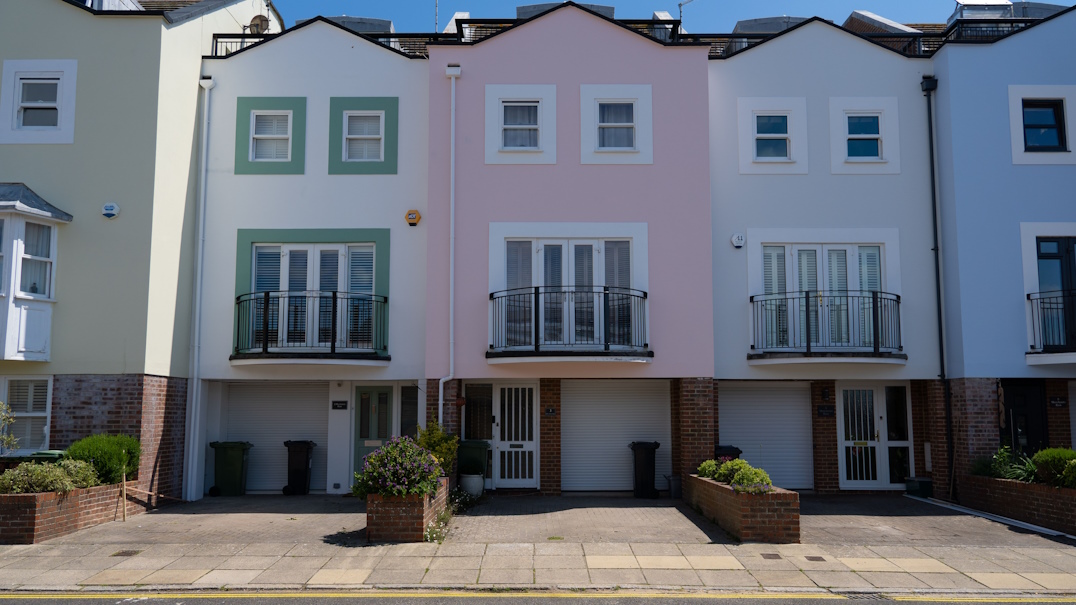
Purchasing a Peasedown St John home represents one of the largest investments an individual is likely to undertake.
Awareness of the survey hierarchy supports informed decisions that shield buyers from unforeseen expenses. Professional standards for domestic surveys in the UK are defined by the Royal Institution of Chartered Surveyors. Consistency reliability and client utility form the core outcomes of these professional standards.

Connect with Chartered Surveyors for House Home Buyer Surveys in Peasedown St John
Home Buyer Survey Peasedown St John requirement? If so, then please complete the contact form. One of the recommended Surveying Suppliers who provide RICS Home Surveys Trusted Peasedown St John will give you a call, they have a strong reputation for competitive pricing and UK postcode coverage, so please do not hesitate to get in touch.
The current RICS framework divides residential inspections into three clearly defined levels. The levels differ according to inspection thoroughness report content and the nature of the building under review. Factors such as building age structural type state of repair and degree of alteration influence the selection. A chartered surveyor is well placed to recommend the correct level once the details of the property have been considered.
TO REQUEST A SURVEY QUOTE...
OUR RICS PREFERRED SUPPLIER's RATING is...
Survey Options Continued...
The simplest option Level 1 formerly the Condition Report gives a high-level view of the building’s condition. This level suits primarily modern standard homes that show no obvious signs of significant problems. Inspection remains visual focusing on reachable parts of the building and employs a colour-coded rating system. No detailed advice on repairs or maintenance is included and a market valuation is not provided. As a result Level 1 is often considered inadequate except for the most modern and uncomplicated homes.
The popular Level 2 option earlier termed the HomeBuyer Report serves most buyers of typical houses and flats. Properties of regular build that remain in acceptable repair and possess straightforward layouts benefit most. The surveyor reviews all accessible features and provides recommendations concerning defects and long-term maintenance. The same colour-coded system is employed yet the additional commentary enhances its usefulness. A valuation of the property and an insurance reinstatement sum are available as extras.
The Level 3 survey previously known as the Building Survey represents the deepest examination available. It is recommended for older properties listed buildings those of unusual construction or homes that have undergone significant alteration. A more prolonged visit allows closer examination of accessible zones and limited exploration of hidden areas. Construction details defect characteristics possible causes effects and repair strategies receive thorough treatment. The detailed character of Level 3 affords maximum reassurance in situations of greater complexity or risk.