
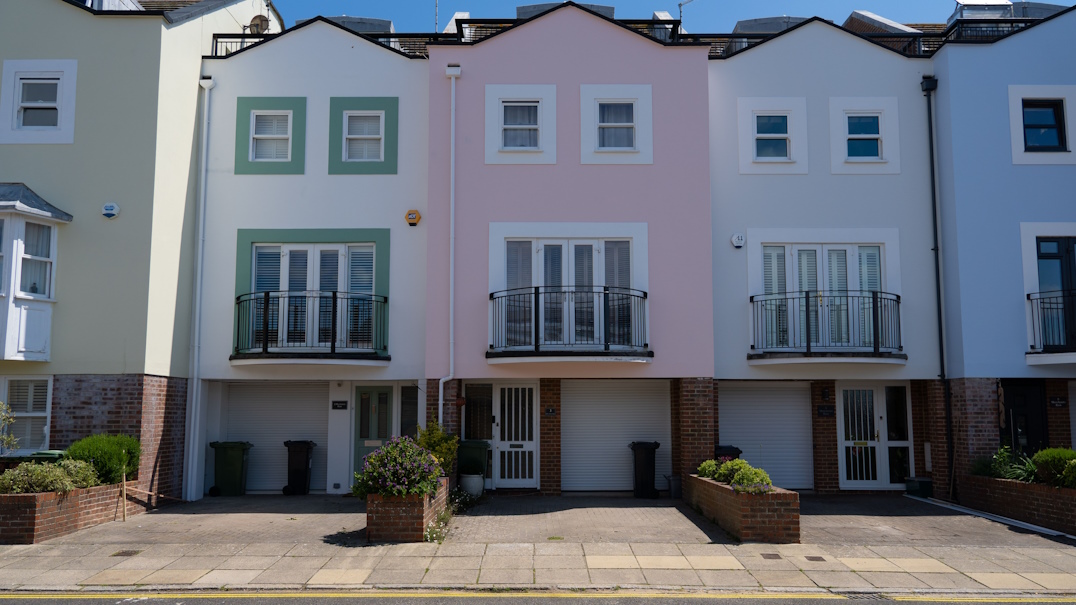
Securing a Dalton-in-Furness house or flat involves substantial capital and long-term responsibility.
Knowing the different types of property surveys enables purchasers to safeguard their outlay effectively. RICS guidelines provide the authoritative structure for residential property assessments nationwide. Such regulation maintains uniformity quality and practical value across survey reports.

Connect with Chartered Surveyors for Valuation Building Surveys in Dalton-in-Furness
Building Survey Dalton-in-Furness requirement? If so, then please complete the contact form. One of the recommended RICS Building Surveys Suppliers (Surveyors) who provide a Building Surveys Near Me Dalton-in-Furness Service, will contact you, they have a strong reputation for competitive pricing and UK postcode coverage.
Three principal levels of home survey currently operate under the RICS Home Survey Standard. Differences appear in investigative scope reporting style and the kinds of homes that benefit most from each option. The right level is determined largely by how old the house is how it was built its current condition and any unusual features. An RICS-qualified surveyor can advise on the most suitable option after discussing the specific circumstances.
TO REQUEST A SURVEY QUOTE...
OUR RICS PREFERRED SUPPLIER's RATING is...
Survey Options Continued...
The Level 1 survey previously termed a Condition Report offers a straightforward summary of the dwelling’s state. Level 1 works best with recently built conventional dwellings that seem well maintained. Inspection remains visual focusing on reachable parts of the building and employs a colour-coded rating system. No detailed advice on repairs or maintenance is included and a market valuation is not provided. The limited scope leads many to select a higher level unless the property is both new and conventional.
This mid-level inspection previously the HomeBuyer Report suits the majority of conventional residential purchases. Level 2 works well with ordinary construction types in fair condition and uncomplicated form. Visible and accessible components are assessed and the report offers commentary on defects priorities and maintenance needs. Condition ratings follow the same traffic-light system used at Level 1 yet the accompanying commentary is more useful. An optional market valuation and reinstatement cost for insurance purposes can also be included.
This highest level formerly the Building Survey provides an extensive and detailed assessment. It is recommended for older properties listed buildings those of unusual construction or homes that have undergone significant alteration. A more prolonged visit allows closer examination of accessible zones and limited exploration of hidden areas. The report provides extensive commentary on structure defects causes consequences and recommended remedies. Buyers confronting older or complicated properties gain the highest degree of protection from this level.