
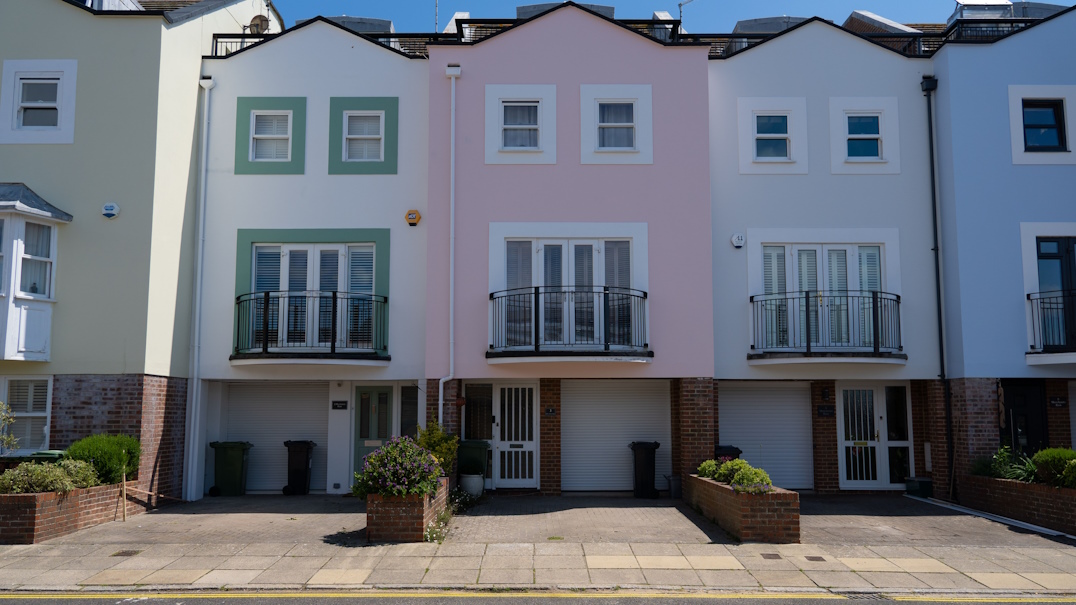
Securing a Lancashire house or flat involves substantial capital and long-term responsibility.
Familiarity with survey options allows homebuyers to mitigate potential risks associated with their purchase. The RICS framework governs the delivery of property surveys throughout England and Wales. The framework delivers predictable accurate and actionable information for purchasers.

Connect with Chartered Surveyors for Chartered Home Buyer Surveys in Lancashire
Home Buyer Survey Lancashire requirement? If so, then please complete the contact form. One of the recommended Surveying Suppliers who provide RICS Home Surveys Property Lancashire will give you a call, they have a strong reputation for competitive pricing and UK postcode coverage, so please do not hesitate to get in touch.
Three principal levels of home survey currently operate under the RICS Home Survey Standard. Inspection intensity report complexity and property appropriateness distinguish one level from another. The right level is determined largely by how old the house is how it was built its current condition and any unusual features. Expert advice from a regulated practitioner supports an informed decision tailored to the situation.
TO REQUEST A SURVEY QUOTE...
OUR RICS PREFERRED SUPPLIER's RATING is...

Survey Options Continued...
The simplest option Level 1 formerly the Condition Report gives a high-level view of the building’s condition. It targets mainly contemporary homes of ordinary construction that look to be in reasonable repair. The surveyor inspects accessible surfaces and structures then applies condition ratings of one two or three. The document stops short of offering repair advice maintenance suggestions or an opinion of market value. Most purchasers therefore view this level as suitable only for brand-new or near-new straightforward dwellings.
This mid-level inspection previously the HomeBuyer Report suits the majority of conventional residential purchases. The survey suits homes built in a conventional manner that appear sound and lack complex alterations. The surveyor reviews all accessible features and provides recommendations concerning defects and long-term maintenance. The familiar green amber and red ratings appear again but are supported by clearer explanatory text. The surveyor can add a market valuation and a reinstatement cost assessment if required.
Level 3 formerly the Building Survey constitutes the most comprehensive form of residential inspection. Level 3 suits pre-1900 houses listed assets unusual forms of construction and properties with major changes. Longer on-site presence enables a more searching review of reachable parts and selected concealed features. The report provides extensive commentary on structure defects causes consequences and recommended remedies. Its comprehensive nature supplies the greatest safeguard when the property presents elevated uncertainty or potential problems.