
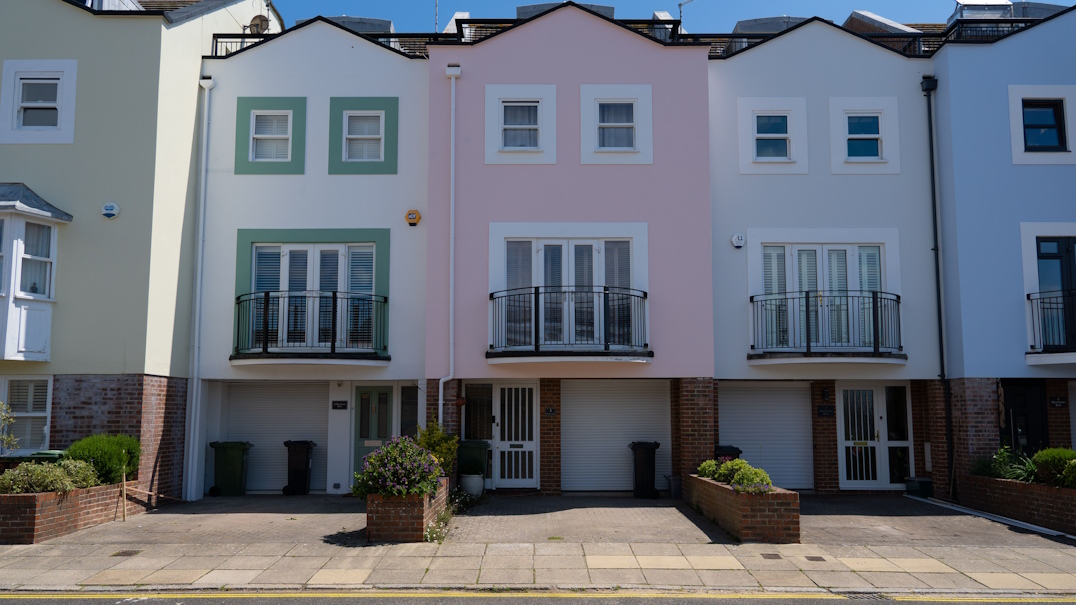
Purchasing a Catterick Garrison home represents one of the largest investments an individual is likely to undertake.
Knowing the different types of property surveys enables purchasers to safeguard their outlay effectively. In the United Kingdom the Royal Institution of Chartered Surveyors sets clear standards for residential surveys. Such regulation maintains uniformity quality and practical value across survey reports.

Connect with Chartered Surveyors for Home Buyer Surveys in Catterick Garrison
Home Buyer Survey Catterick Garrison requirement? If so, then please complete the contact form. One of the recommended Surveying Suppliers who provide RICS Home Surveys Catterick Garrison will give you a call, they have a strong reputation for competitive pricing and UK postcode coverage, so please do not hesitate to get in touch.
Three principal levels of home survey currently operate under the RICS Home Survey Standard. Differences appear in investigative scope reporting style and the kinds of homes that benefit most from each option. The right level is determined largely by how old the house is how it was built its current condition and any unusual features. Consulting an accredited surveyor ensures the chosen level aligns with the particular characteristics of the home.
TO REQUEST A SURVEY QUOTE...
OUR RICS PREFERRED SUPPLIER's RATING is...
Survey Options Continued...
Level 1 formerly known as the Condition Report provides a basic overview of a property’s condition. The report is designed for newer straightforward properties in apparently sound condition. The surveyor inspects accessible surfaces and structures then applies condition ratings of one two or three. Neither repair recommendations nor a valuation form part of the Level 1 output. Most purchasers therefore view this level as suitable only for brand-new or near-new straightforward dwellings.
The popular Level 2 option earlier termed the HomeBuyer Report serves most buyers of typical houses and flats. Level 2 works well with ordinary construction types in fair condition and uncomplicated form. Surveyors examine reachable parts of the building and supply guidance on problems their importance and ongoing care. Traffic-light condition ratings remain consistent while the narrative adds practical value for the client. A valuation of the property and an insurance reinstatement sum are available as extras.
The Level 3 survey previously known as the Building Survey represents the deepest examination available. The survey is advised for aged buildings heritage properties atypical construction methods and heavily altered homes. Longer on-site presence enables a more searching review of reachable parts and selected concealed features. An in-depth written analysis covers building fabric defects causation impact and available repair approaches. Buyers confronting older or complicated properties gain the highest degree of protection from this level.