
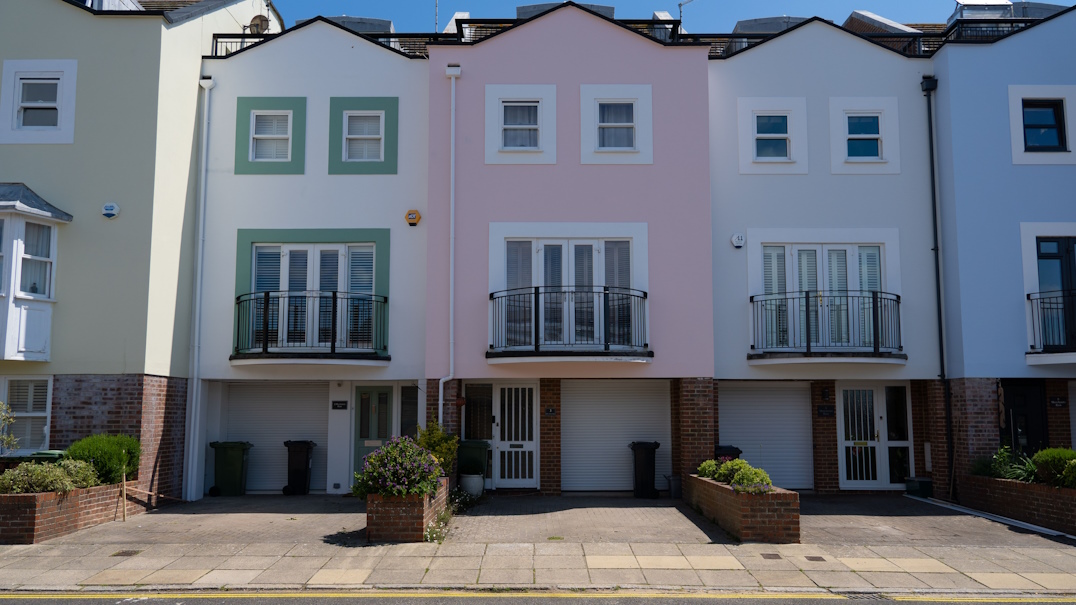
Purchasing a ‘Bishop”s Waltham’ home represents one of the largest investments an individual is likely to undertake.
A thorough understanding of the various survey levels available helps buyers protect that investment. Professional standards for domestic surveys in the UK are defined by the Royal Institution of Chartered Surveyors. Buyers benefit from standardised dependable and informative documentation as a result.

Connect with Chartered Surveyors for Level 2 Home Buyer Surveys in ‘Bishop”s Waltham’
Home Buyer Survey ‘Bishop”s Waltham’ requirement? If so, then please complete the contact form. One of the recommended Surveying Suppliers who provide RICS Home Surveys Experienced ‘Bishop”s Waltham’ will give you a call, they have a strong reputation for competitive pricing and UK postcode coverage, so please do not hesitate to get in touch.
The current RICS framework divides residential inspections into three clearly defined levels. Each level varies in depth of inspection detail of reporting and suitability for different property types. Choice of survey is guided chiefly by the property’s age form of construction present state and overall intricacy. An RICS-qualified surveyor can advise on the most suitable option after discussing the specific circumstances.
TO REQUEST A SURVEY QUOTE...
OUR RICS PREFERRED SUPPLIER's RATING is...
Survey Options Continued...
Level 1 known earlier as the Condition Report presents a concise picture of the property’s present condition. The report is designed for newer straightforward properties in apparently sound condition. The surveyor inspects accessible surfaces and structures then applies condition ratings of one two or three. Neither repair recommendations nor a valuation form part of the Level 1 output. Buyers frequently conclude that Level 1 lacks the depth required for older or more complex properties.
The popular Level 2 option earlier termed the HomeBuyer Report serves most buyers of typical houses and flats. The survey suits homes built in a conventional manner that appear sound and lack complex alterations. Surveyors examine reachable parts of the building and supply guidance on problems their importance and ongoing care. The same colour-coded system is employed yet the additional commentary enhances its usefulness. Clients may request an opinion of market value together with a figure for rebuilding cost.
Level 3 formerly the Building Survey constitutes the most comprehensive form of residential inspection. Level 3 suits pre-1900 houses listed assets unusual forms of construction and properties with major changes. Inspection time is extended and the surveyor investigates more spaces including certain concealed locations when safe. The resulting report analyses construction methods defects their likely causes implications and repair options in detail. The detailed character of Level 3 affords maximum reassurance in situations of greater complexity or risk.