
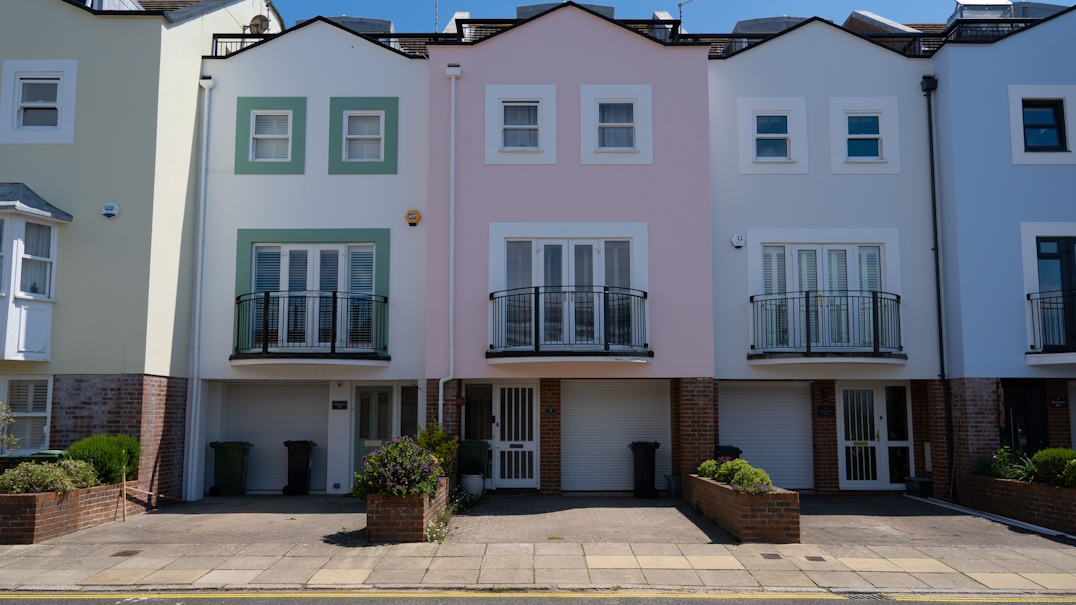
Securing a Rowlands Gill house or flat involves substantial capital and long-term responsibility.
Awareness of the survey hierarchy supports informed decisions that shield buyers from unforeseen expenses. Across Britain the RICS establishes consistent benchmarks for home inspection reports. Consistency reliability and client utility form the core outcomes of these professional standards.

Connect with Chartered Surveyors for Level 2 Home Buyer Surveys in Rowlands Gill
Home Buyer Survey Rowlands Gill requirement? If so, then please complete the contact form. One of the recommended Surveying Suppliers who provide RICS Home Surveys UK Rowlands Gill will give you a call, they have a strong reputation for competitive pricing and UK postcode coverage, so please do not hesitate to get in touch.
The RICS system currently recognises three main tiers of residential property survey. Differences appear in investigative scope reporting style and the kinds of homes that benefit most from each option. Age construction method condition and complexity remain the key determinants when deciding which survey to commission. Expert advice from a regulated practitioner supports an informed decision tailored to the situation.
TO REQUEST A SURVEY QUOTE...
OUR RICS PREFERRED SUPPLIER's RATING is...
Survey Options Continued...
The simplest option Level 1 formerly the Condition Report gives a high-level view of the building’s condition. Level 1 works best with recently built conventional dwellings that seem well maintained. Only visible and accessible elements are examined and findings are presented through green amber and red ratings. The report contains no guidance on remedial works or future upkeep and omits any valuation figure. The limited scope leads many to select a higher level unless the property is both new and conventional.
Level 2 formerly called the HomeBuyer Report is still the survey most commonly instructed for ordinary dwellings. It is designed for properties of standard construction that are in reasonable condition and relatively simple in layout. The surveyor reviews all accessible features and provides recommendations concerning defects and long-term maintenance. Traffic-light condition ratings remain consistent while the narrative adds practical value for the client. Optional elements include a professional valuation and a rebuilding cost for insurance.
Level 3 once called the Building Survey delivers the fullest analysis of a property’s condition and construction. Buyers of older unusual listed or substantially extended properties are generally steered toward this level. The surveyor spends longer on site examining accessible and some concealed areas where it is safe to do so. The document explores how the building is constructed the nature of defects probable origins consequences and remedial choices. Because of its depth Level 3 offers the strongest protection for buyers facing higher levels of uncertainty or risk.