
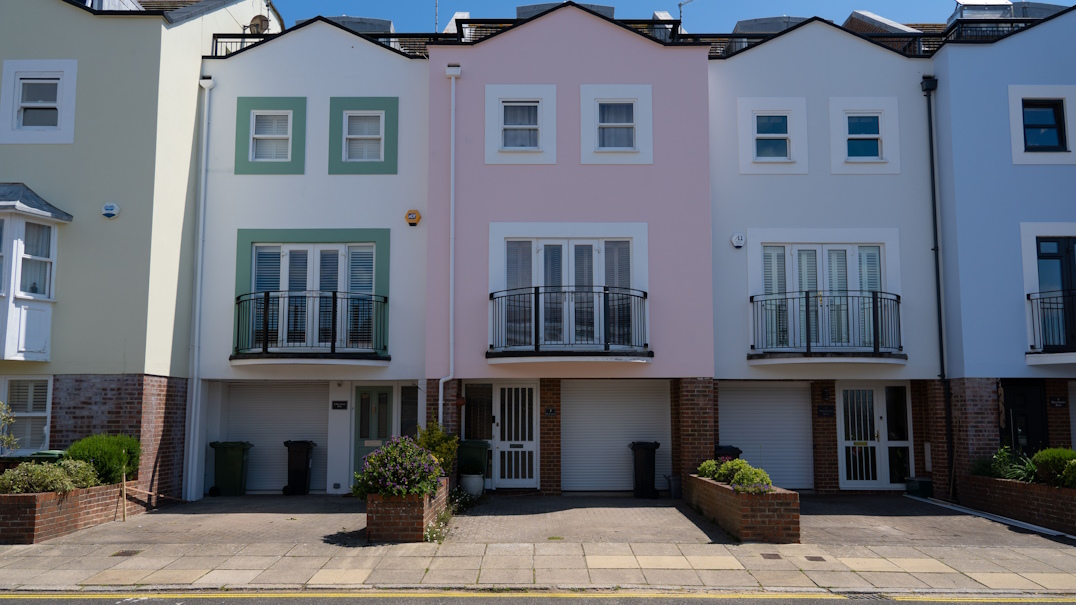
Securing a Stokesley house or flat involves substantial capital and long-term responsibility.
Awareness of the survey hierarchy supports informed decisions that shield buyers from unforeseen expenses. In the United Kingdom the Royal Institution of Chartered Surveyors sets clear standards for residential surveys. These standards ensure that reports remain consistent reliable and useful to clients.

Connect with Chartered Surveyors for Recommended Home Buyer Surveys in Stokesley
Home Buyer Survey Stokesley requirement? If so, then please complete the contact form. One of the recommended Surveying Suppliers who provide RICS Home Surveys Property Stokesley will give you a call, they have a strong reputation for competitive pricing and UK postcode coverage, so please do not hesitate to get in touch.
The RICS system currently recognises three main tiers of residential property survey. Differences appear in investigative scope reporting style and the kinds of homes that benefit most from each option. Selecting the appropriate level depends primarily on the age construction condition and complexity of the dwelling. An RICS-qualified surveyor can advise on the most suitable option after discussing the specific circumstances.
TO REQUEST A SURVEY QUOTE...
OUR RICS PREFERRED SUPPLIER's RATING is...
Survey Options Continued...
The Level 1 survey previously termed a Condition Report offers a straightforward summary of the dwelling’s state. It is intended mainly for newer conventional properties that appear to be in good order. Inspection remains visual focusing on reachable parts of the building and employs a colour-coded rating system. Advice regarding repairs maintenance or value is deliberately excluded from this basic document. As a result Level 1 is often considered inadequate except for the most modern and uncomplicated homes.
Level 2 previously the HomeBuyer Report remains the most frequently chosen option for conventional homes. It is designed for properties of standard construction that are in reasonable condition and relatively simple in layout. Visible and accessible components are assessed and the report offers commentary on defects priorities and maintenance needs. Although the rating system mirrors that of Level 1 the written advice proves considerably more helpful. Optional elements include a professional valuation and a rebuilding cost for insurance.
The Level 3 survey previously known as the Building Survey represents the deepest examination available. It is recommended for older properties listed buildings those of unusual construction or homes that have undergone significant alteration. Longer on-site presence enables a more searching review of reachable parts and selected concealed features. Construction details defect characteristics possible causes effects and repair strategies receive thorough treatment. The detailed character of Level 3 affords maximum reassurance in situations of greater complexity or risk.