
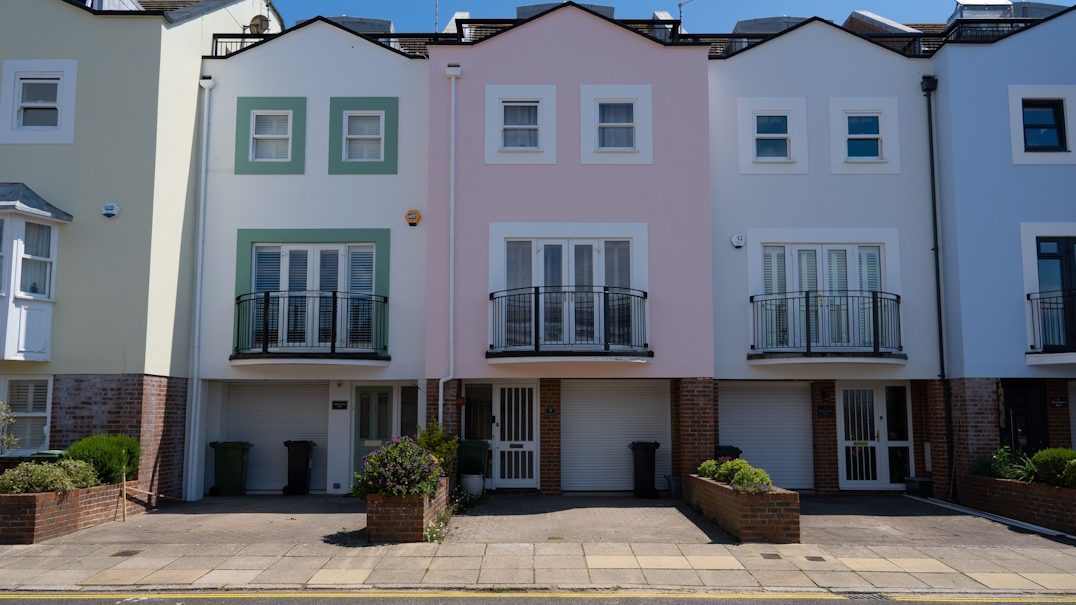
Purchasing a Studley home represents one of the largest investments an individual is likely to undertake.
Awareness of the survey hierarchy supports informed decisions that shield buyers from unforeseen expenses. In the United Kingdom the Royal Institution of Chartered Surveyors sets clear standards for residential surveys. The framework delivers predictable accurate and actionable information for purchasers.

Connect with Chartered Surveyors for RICS Home Buyer Surveys in Studley
Home Buyer Survey Studley requirement? If so, then please complete the contact form. One of the recommended Surveying Suppliers who provide RICS Home Surveys Trusted Studley will give you a call, they have a strong reputation for competitive pricing and UK postcode coverage, so please do not hesitate to get in touch.
Homebuyers in the UK may choose from three distinct levels of RICS survey. Variation exists in the intensity of examination the extent of advice provided and the properties for which each is designed. Choice of survey is guided chiefly by the property’s age form of construction present state and overall intricacy. Professional guidance from a RICS member helps match the survey to the individual purchase.
TO REQUEST A SURVEY QUOTE...
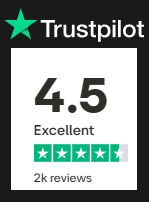
OUR RICS PREFERRED SUPPLIER's RATING is...
Survey Options Continued...
The simplest option Level 1 formerly the Condition Report gives a high-level view of the building’s condition. Level 1 works best with recently built conventional dwellings that seem well maintained. A non-intrusive visual check of reachable components is performed and results are classified using traffic-light ratings. The report contains no guidance on remedial works or future upkeep and omits any valuation figure. Buyers frequently conclude that Level 1 lacks the depth required for older or more complex properties.
The popular Level 2 option earlier termed the HomeBuyer Report serves most buyers of typical houses and flats. It targets standard houses and flats that are reasonably maintained and free from extensive modification. Visible and accessible components are assessed and the report offers commentary on defects priorities and maintenance needs. Although the rating system mirrors that of Level 1 the written advice proves considerably more helpful. An optional market valuation and reinstatement cost for insurance purposes can also be included.
The most thorough option Level 3 earlier termed the Building Survey examines the building in greatest depth. It is recommended for older properties listed buildings those of unusual construction or homes that have undergone significant alteration. A more prolonged visit allows closer examination of accessible zones and limited exploration of hidden areas. The resulting report analyses construction methods defects their likely causes implications and repair options in detail. Buyers confronting older or complicated properties gain the highest degree of protection from this level.