
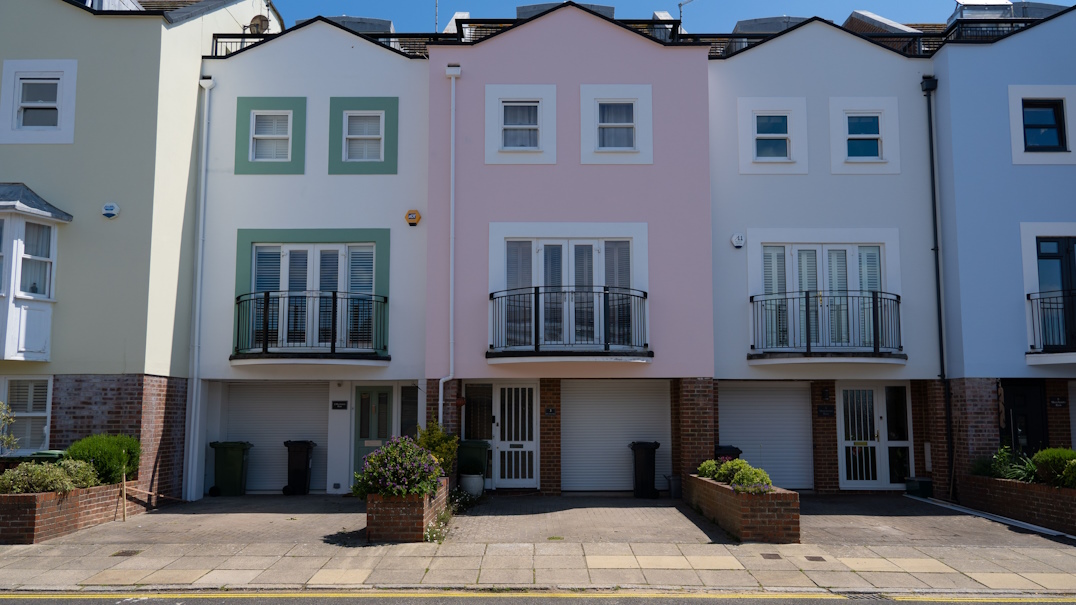
Buying a Daventry property ranks among the most significant financial decisions most people make in their lives.
Awareness of the survey hierarchy supports informed decisions that shield buyers from unforeseen expenses. Professional standards for domestic surveys in the UK are defined by the Royal Institution of Chartered Surveyors. These standards ensure that reports remain consistent reliable and useful to clients.

Connect with Chartered Surveyors for RICS Home Buyer Surveys in Daventry
Home Buyer Survey Daventry requirement? If so, then please complete the contact form. One of the recommended Surveying Suppliers who provide RICS Home Surveys Property Daventry will give you a call, they have a strong reputation for competitive pricing and UK postcode coverage, so please do not hesitate to get in touch.
RICS offers a tiered approach comprising three recognised survey categories. Differences appear in investigative scope reporting style and the kinds of homes that benefit most from each option. Choice of survey is guided chiefly by the property’s age form of construction present state and overall intricacy. A chartered surveyor is well placed to recommend the correct level once the details of the property have been considered.
TO REQUEST A SURVEY QUOTE...
OUR RICS PREFERRED SUPPLIER's RATING is...
Survey Options Continued...
Level 1 formerly known as the Condition Report provides a basic overview of a property’s condition. It is intended mainly for newer conventional properties that appear to be in good order. A non-intrusive visual check of reachable components is performed and results are classified using traffic-light ratings. The report contains no guidance on remedial works or future upkeep and omits any valuation figure. The limited scope leads many to select a higher level unless the property is both new and conventional.
The Level 2 survey once known as the HomeBuyer Report continues to be the preferred choice for standard properties. The survey suits homes built in a conventional manner that appear sound and lack complex alterations. The inspection covers all visible accessible elements and includes advice on defects their significance and future maintenance. Traffic-light condition ratings remain consistent while the narrative adds practical value for the client. An optional market valuation and reinstatement cost for insurance purposes can also be included.
This highest level formerly the Building Survey provides an extensive and detailed assessment. Buyers of older unusual listed or substantially extended properties are generally steered toward this level. A more prolonged visit allows closer examination of accessible zones and limited exploration of hidden areas. An in-depth written analysis covers building fabric defects causation impact and available repair approaches. Buyers confronting older or complicated properties gain the highest degree of protection from this level.